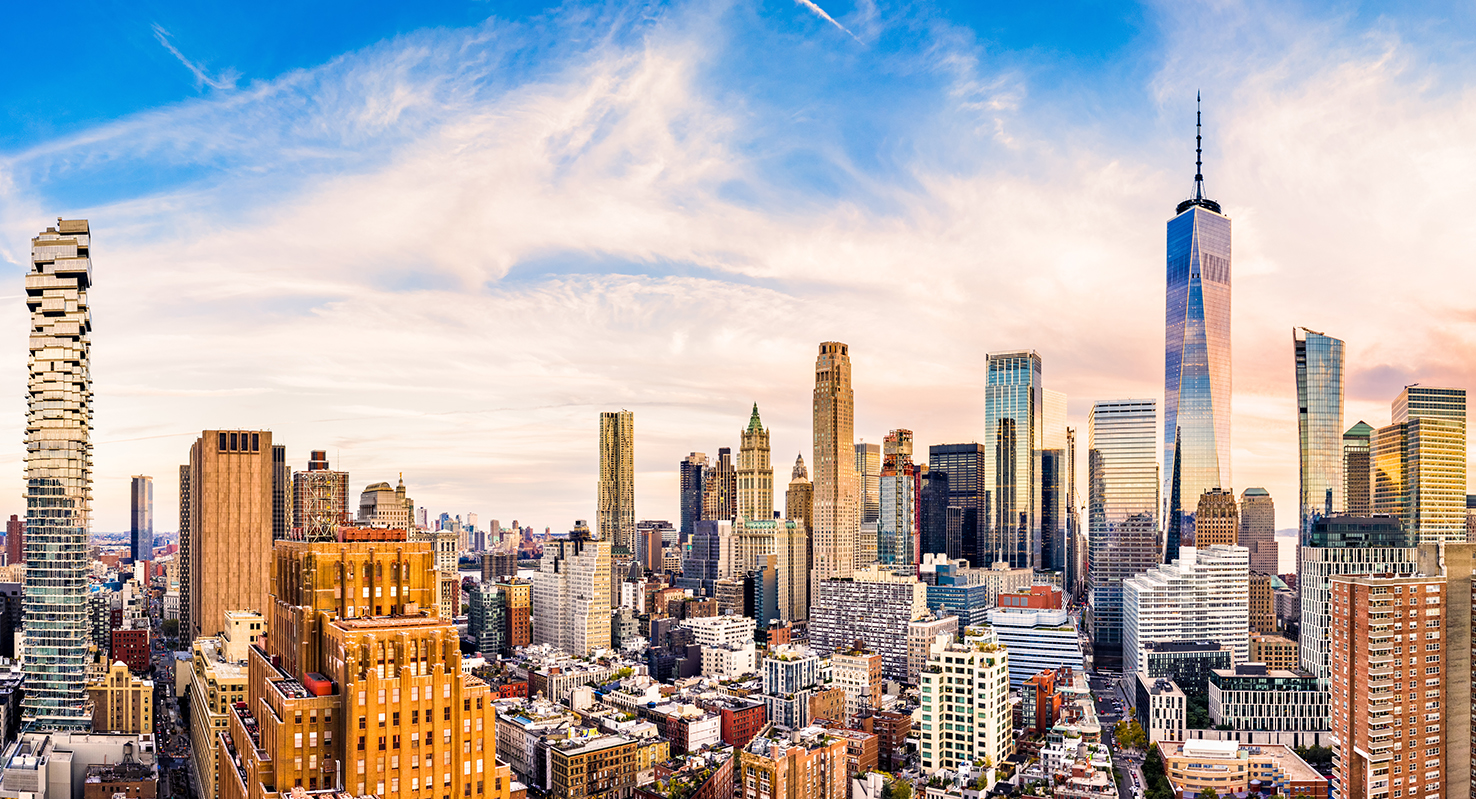
Slip and fall claims occur across Manhattan's dense streets, bustling commercial districts, and high-rise buildings. From icy sidewalks in Midtown to wet lobby floors in residential towers, dangerous conditions can cause injuries that range from minor bruises to severe fractures, head injuries, and long-term disabilities. When a property owner, business, or building manager fails to maintain safe conditions, injured individuals may have the right to seek compensation.
If you or a loved one has been injured in a slip, trip, or fall accident in Manhattan, the Law Office of Steven Louros can help. Our main office is located at 1261 Broadway, Suite 507, in the heart of Manhattan, making us readily accessible for consultations in person, by phone, or online.
New York law generally allows injured individuals two to three years to file a personal injury lawsuit depending on who is responsible, but claims against government entities such as New York City require a notice of claim to be filed much sooner. Speaking with a Manhattan slip and fall lawyer as soon as possible can help protect your rights and preserve critical evidence.
Subway entrances, crosswalks, and high-rise lobbies often become sites of injury when property owners and building managers fail to maintain safe conditions. Manhattan's density means that millions of people walk through commercial buildings, retail stores, restaurants, apartment lobbies, office towers, and public sidewalks every day. When a hazardous condition exists and the responsible party fails to address it within a reasonable time, the consequences can be serious.
The Law Office of Steven Louros provides multilingual services to assist Manhattan's diverse communities, with support available in Chinese, Korean, and Spanish through dedicated staff members. Our team has experience handling dangerous condition cases across Manhattan's many neighborhoods and building types, from older walk-up apartment buildings in the East Village to modern commercial towers in Hudson Yards.
For a comprehensive overview of how New York premises liability law applies to slip, trip, and fall cases across the city, visit our slip, trip and fall injuries resource center.
Manhattan's unique environment creates a wide range of hazards for pedestrians, residents, workers, and visitors. Understanding the types of dangerous conditions that commonly lead to injuries can help you recognize when a property owner or business may be liable.
Manhattan's sidewalks are among the busiest in the world, and they are also among the most worn. Cracked pavement, uneven surfaces, raised concrete slabs caused by tree roots, and deteriorating curb edges create constant trip hazards for pedestrians across every neighborhood. High-traffic areas such as Times Square, Midtown, the Financial District, and the Upper West Side are especially prone to sidewalk wear. In New York City, property owners adjacent to a sidewalk are generally responsible for maintaining it in a reasonably safe condition.
Retail stores, restaurants, office building lobbies, hotel entrances, and grocery stores in Manhattan all carry the risk of wet floor injuries. Spills that are not promptly cleaned, freshly mopped floors without adequate warning signs, and tracked-in rain or snow that accumulates near building entrances are common causes of slip and fall accidents. Businesses have a duty to inspect their premises regularly and address hazards within a reasonable time or provide adequate warning to visitors.
Manhattan's extensive subway system handles millions of riders daily. Subway entrances, stairways, platforms, and passageways can become dangerously slippery from rain, snow, spilled liquids, or cleaning products. Worn stair treads, missing handrails, and inadequate lighting in older stations contribute to fall injuries. Commuters rushing to catch trains and navigating crowded platforms face additional risks. Claims involving transit authority property may involve specific notice requirements and shorter deadlines.
Winter weather creates significant slip and fall dangers across Manhattan. Icy sidewalks, unsalted building entrances, frozen puddles at crosswalks, and snow accumulation on commercial property walkways lead to injuries every winter season. New York City property owners and commercial tenants have obligations to clear snow and ice from sidewalks within a reasonable time after a storm. Failure to do so may create liability for resulting injuries. Residents commuting from Brooklyn and Queens to Manhattan workplaces face these hazards on both ends of their commute.
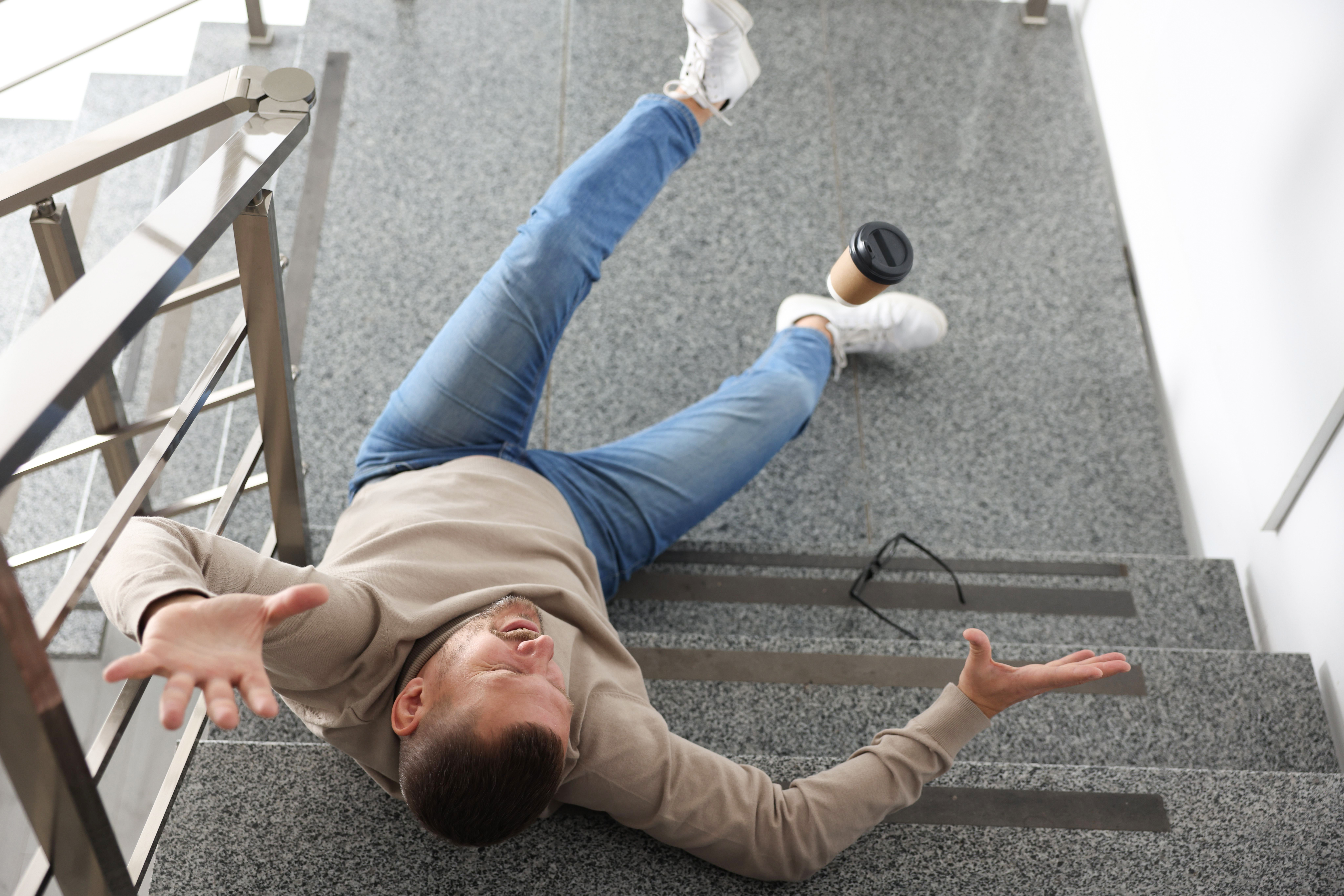
Older buildings throughout Manhattan — particularly walk-up apartment buildings, brownstones, and pre-war residential towers — may have worn stair treads, broken handrails, loose carpeting, dim lighting, or cracked flooring in common areas. Landlords and building management companies have a duty to maintain these common areas in a reasonably safe condition. A fall on a poorly maintained interior staircase can result in serious injuries including broken bones, head trauma, and back injuries.
Manhattan's ongoing construction activity means pedestrians frequently navigate around sidewalk sheds, scaffolding, temporary walkways, and construction debris. Uneven temporary surfaces, poorly placed barriers, exposed cables, and inadequate lighting under sidewalk sheds can create dangerous tripping and slipping conditions. When construction site conditions spill onto public sidewalks and walkways, the responsible contractors or property owners may be liable for pedestrian injuries.
Older commercial buildings and retail establishments in Manhattan sometimes have uneven floor surfaces, raised thresholds, or level changes that are not clearly marked. The Superdry store at Times Square, for example, has been noted for uneven flooring conditions. These types of hazards can catch visitors off guard, particularly in dimly lit interiors or crowded retail environments, leading to trip and fall injuries.
Recovering compensation after a slip and fall injury in Manhattan requires establishing that the property owner, business, landlord, or building manager was negligent. Under New York law, this generally means proving the following elements:
Building this type of case requires thorough evidence collection. Our team focuses on gathering comprehensive evidence, including photos of the scene, witness statements, maintenance records, surveillance footage requests, incident reports, and weather data where relevant. This meticulous approach ensures we can present a compelling argument for negligence and strengthen your claim for compensation.
Determining who is responsible for a slip and fall injury in Manhattan often depends on who owned, managed, or controlled the property where the accident occurred. Multiple parties may share liability depending on the circumstances.
Property Owners — Building owners have a general duty to maintain their property in a reasonably safe condition for tenants, visitors, and passersby.
Landlords and Building Management Companies — In residential buildings, the landlord or management company is typically responsible for maintaining common areas including lobbies, hallways, stairways, and sidewalks.
Commercial Tenants and Business Operators — Retail stores, restaurants, grocery stores, and other businesses have a duty to inspect their premises regularly, clean up spills promptly, and warn customers about known hazards.
Contractors and Maintenance Companies — When a building hires outside contractors for cleaning, snow removal, or maintenance work, those contractors may share liability if their negligent work contributed to the dangerous condition.
Government Entities — Falls occurring on city-owned property, public sidewalks, subway stations, or in public buildings may involve claims against New York City or the Metropolitan Transportation Authority. These claims have specific procedural requirements, including a notice of claim that must be filed within 90 days of the accident.
At the Law Office of Steven Louros, we investigate each case to identify all responsible parties, ensuring that every potential source of recovery is pursued on behalf of our clients.
The injuries resulting from a slip, trip, or fall can range from minor to life-altering. Manhattan's hard surfaces — concrete sidewalks, marble lobby floors, tile stairways, and stone building entrances — often make the impact worse than it might be on softer ground. Common injuries from Manhattan slip and fall accidents include:
Broken Bones — Fractures of the wrist, hip, ankle, arm, and leg are among the most common slip and fall injuries. Hip fractures are particularly serious for older adults and may require surgical intervention and prolonged physical therapy.
Head Injuries — A fall onto a hard surface can result in concussions, traumatic brain injuries, or other head trauma that may cause cognitive impairments or long-term neurological issues.
Spinal Cord and Back Injuries — Falls on staircases, from raised surfaces, or onto hard flooring can cause herniated discs, spinal fractures, or spinal cord damage that may result in chronic pain or, in severe cases, partial or complete paralysis.
Knee and Shoulder Injuries — Torn ligaments, dislocated joints, and rotator cuff tears frequently result from the sudden impact of a fall.
Lacerations and Soft Tissue Injuries — While often less severe, cuts, bruises, and sprains can still lead to infections, complications, or extended recovery periods.
Emotional and Psychological Impact — Accidents often leave victims with anxiety, fear of falling, post-traumatic stress, or depression, particularly among older adults. These effects can impact mental health, daily activities, and overall quality of life.
Each of these injuries not only affects physical health but also the ability to work, the cost of medical treatment, and long-term well-being. This is why comprehensive legal and medical documentation is essential to any claim.
A serious slip and fall injury can create significant financial and personal burdens. Depending on the circumstances of your case, you may be entitled to compensation for several types of damages.
Understanding the full scope of potential damages is essential for securing fair compensation. Many people undervalue their claims by overlooking future medical costs, reduced earning capacity, or the emotional impact of a serious injury. For a detailed overview of slip and fall compensation, visit our slip, trip and fall injuries resource center.
If you are injured in a slip, trip, or fall accident in Manhattan, taking the right steps can help protect both your health and your legal rights.
Seek medical attention immediately. Some injuries, particularly head injuries and soft tissue damage, may not be immediately obvious but can worsen without prompt treatment. A medical evaluation also creates a documented record connecting your injuries to the accident.
Report the incident to the property owner, building manager, store manager, or other responsible party. Ask that a written incident report be created. If possible, request a copy for your records.
Document the accident scene. Take photographs of the hazardous condition that caused your fall, the surrounding area, any warning signs (or lack thereof), and your injuries. If weather conditions contributed to the fall, photograph those conditions as well.
Gather witness information. Collect the names and contact information of anyone who saw the accident occur or who was present at the scene.
Preserve your clothing and footwear. The shoes you were wearing and the clothing damaged in the fall may be relevant evidence in your case.
Do not give recorded statements to insurance companies before speaking with an attorney. Insurance adjusters may attempt to minimize your claim or use your statements against you.
Contact a Manhattan slip and fall lawyer as soon as possible. Hazardous conditions are often repaired quickly after an accident, and surveillance footage may be overwritten within days. Early legal involvement can help preserve critical evidence and protect your right to file a claim within the applicable deadline.
Slip and fall cases require a thorough understanding of New York premises liability law and the ability to investigate, document, and prove that a property owner or business failed to maintain safe conditions. The Law Office of Steven Louros focuses on protecting the rights of individuals injured due to dangerous property conditions throughout Manhattan and across New York.
Our main office is located at 1261 Broadway, Suite 507, in Manhattan — steps from Penn Station — making us easily accessible for Manhattan residents, workers, and visitors who need to meet in person.
Steven Louros works directly with clients to understand the details of each case and to build the strongest possible claim. The firm partners with medical professionals and investigators to document injuries, gather evidence, and establish liability.
We also represent clients in Brooklyn, the Bronx, Queens, Staten Island, and Long Island including Nassau and Suffolk Counties.
The firm serves Manhattan's diverse communities with dedicated multilingual staff: